July 10, 2026
Finding the right fencing contractor is crucial for ensuring a successful home project. A well-installed fence not only adds privacy and security but also enhances the aesthetic appeal of your property. This comprehensive guide outlines practical steps, expert strategic insights, and essential regulatory considerations to select a contractor who meets your needs and expectations. Whether you are enclosing a backyard, enhancing curb appeal, or adding value to your home, choosing the right professional is paramount. We will explore methods to ensure you make an informed decision and achieve the desired results.
Assessing Your Fencing Needs
Before hiring a fencing contractor, clearly define the purpose of your fence. Knowing whether you want privacy, security, or decorative styling helps determine the appropriate design and materials. It is vital to consider local regulations, zoning laws, and neighborhood guidelines that dictate fence heights and placements. Understanding these parameters before consultation streamlines the planning phase and prevents legal issues. Property owners must also pinpoint boundary lines precisely, often requiring a professional land survey to avoid building on adjacent parcels.
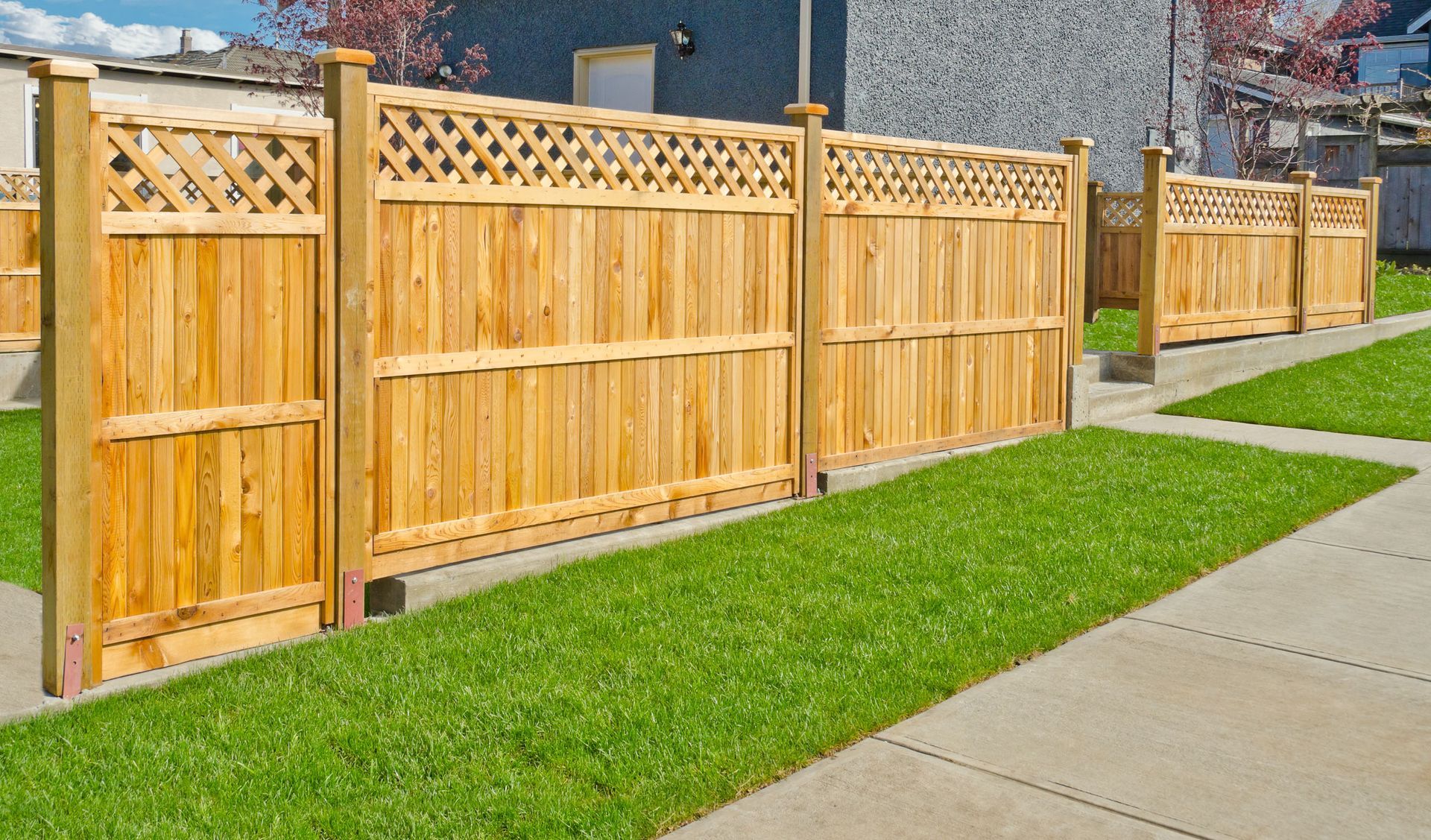
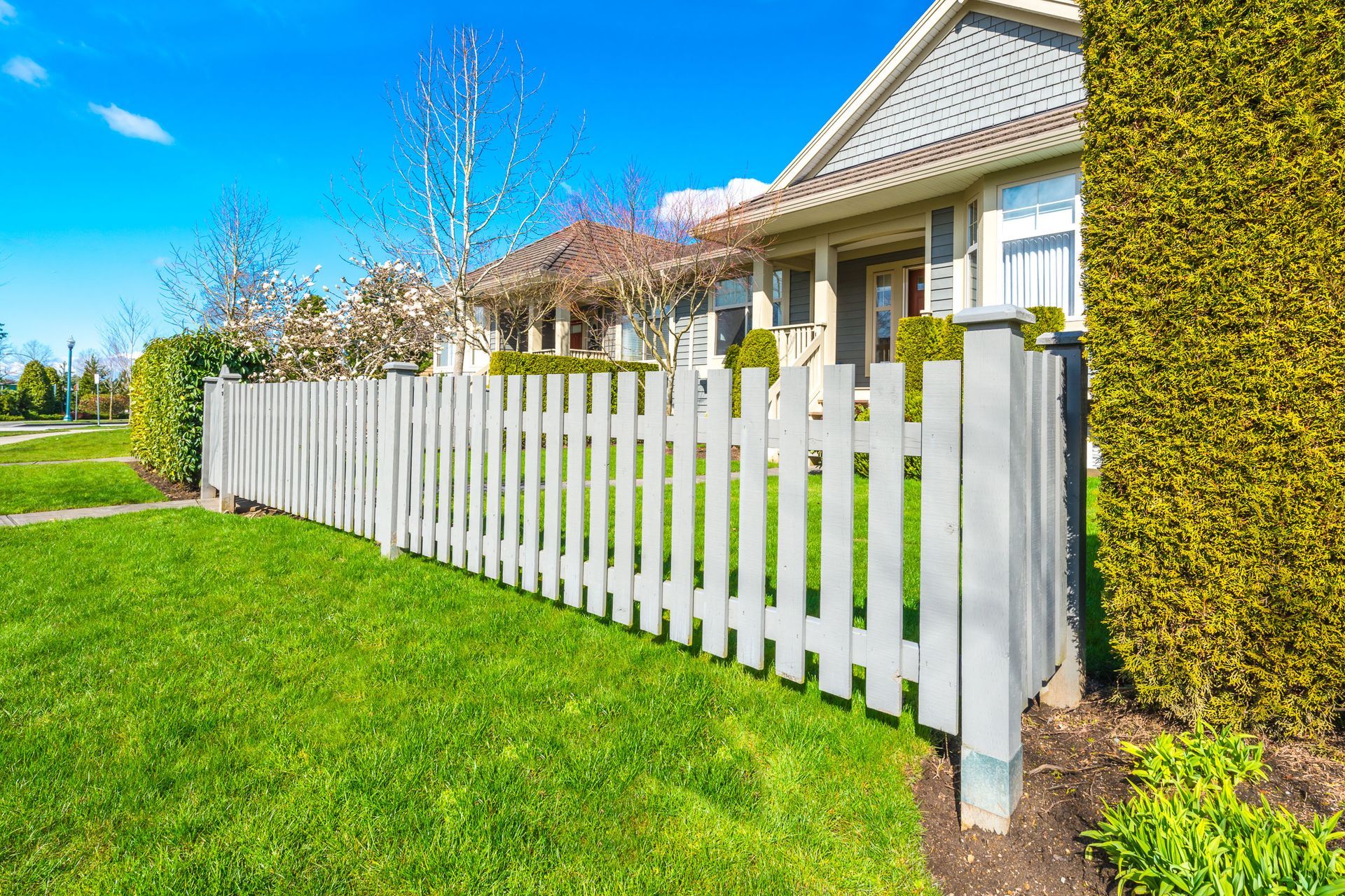
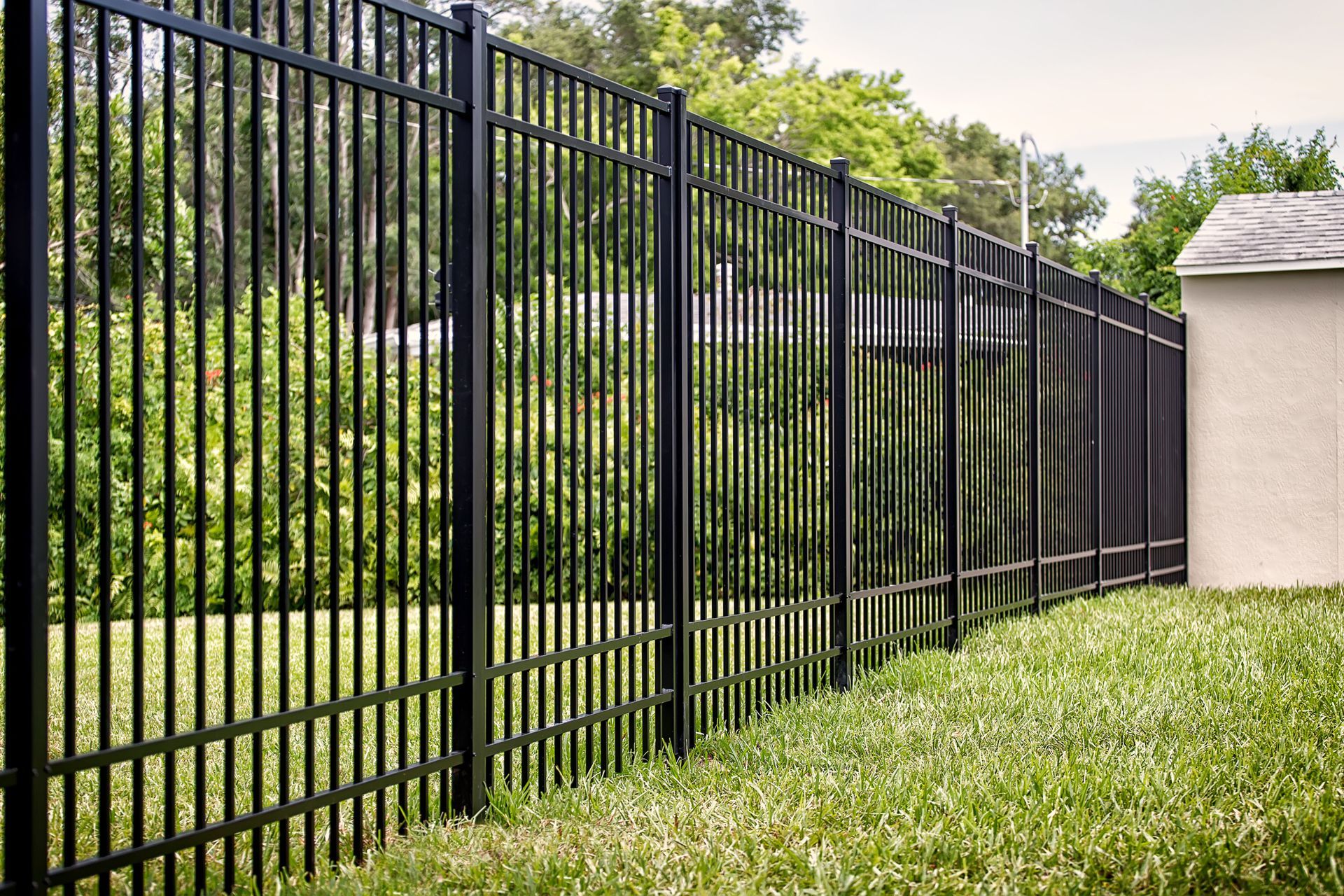
Material selection directly dictates the maintenance requirements, durability, and total cost of the project. Popular choices include classic wood, low-maintenance vinyl, durable metals, and composite options. Homeowners should evaluate how each material aligns with their long-term budget, regional climate resilience, and upkeep willingness. Discussing options with a professional ensures the materials fit the geographical climate and structural needs. For instance, high-humidity regions demand materials resistant to rot and warp, making vinyl or treated lumber ideal choices.
According to GrandviewResearch.com, the U.S. fencing market was valued at approximately USD 9.33 billion in 2024 and is projected to grow to around USD 14.86 billion by 2033. This significant market value highlights the scale of the residential construction industry and the importance of selecting reliable installers. Establishing a clear budget range helps balance quality, aesthetics, and material costs without compromising on installation integrity. Property owners must budget for ancillary expenses, such as clearing thick brush, moving utility lines, or securing mandatory municipal permits.
Researching Potential Service Providers
Seeking recommendations from friends, family, and neighbors offers a reliable starting point for finding a local fencing contractor. Personal referrals provide authentic insights into a professional's work ethic, timeliness, and reliability. These word-of-mouth reviews often highlight experiences that generic online marketing cannot replicate. Asking detailed questions about how a team handled unexpected obstacles or design alterations gives a clearer picture of their problem-solving capabilities.
Complementing personal referrals with digital research provides a broader perspective on prospective businesses. Review platforms like Google and Yelp offer unbiased feedback regarding past client experiences. It is beneficial to notice patterns in feedback, such as consistent praise for promptness or recurring complaints regarding communication. Checking specialized home improvement platforms adds another layer of security, as these sites often vet credentials before listing local professionals.
Verifying professional credentials protects the homeowner from liability and guarantees industry compliance. Homeowners should explicitly request proof of up-to-date business licenses, liability insurance, and workers' compensation policies. Reviewing a portfolio of completed projects further establishes whether the contractor possesses specific experience with the desired design. A robust portfolio should display diverse styles, showing the contractor's versatility and capability to construct both functional security barriers and complex ornamental features.
Conducting Initial Consultations
An initial consultation allows homeowners to gauge the communication skills and professionalism of a fencing contractor. Preparing an explicit list of questions regarding timelines, crew sizes, and site management prevents future misunderstandings. Observant homeowners can evaluate how thoroughly a business representative answers these inquiries. A reliable business representative will physically walk the property perimeter, taking precise measurements while identifying potential structural challenges.
During the meeting, clearly communicate the specific vision, functional goals, and unique landscape traits of the property. Discussing obstacles like underground utilities, sloped terrain, or heavy foliage prevents unexpected delays. A competent professional uses this dialogue to offer practical, structure-appropriate recommendations. They will explain how they plan to handle grading variances, ensuring the bottom of the fence follows the contours of the land smoothly without leaving large gaps.
Requesting preliminary estimates provides an analytical view of pricing structures and material specifications. Transparent companies deliver comprehensive breakdowns of estimated costs rather than a singular lump-sum figure. This phase assists in narrowing down the selection pool to organizations that value professional transparency. Homeowners should use these initial documents to check if the estimated costs cover post-hole digging, debris disposal, and clean-up services, which are sometimes billed separately.
Comparing Detailed Quotes
When evaluating multiple proposals, ensure each fencing contractor uses identical specifications to allow an accurate comparison. Discrepancies in post depths, gate hardware quality, or material grades heavily skew total costs. Reviewing line items individually ensures that the variance in price accurately reflects premium components or advanced techniques. Homeowners must confirm that the wood species or metal gauges specified match exactly across all competing bids to avoid paying premium prices for inferior goods.
Understanding the balance between material costs and labor charges protects consumers from hidden expenses. Low initial estimates might use subpar materials that lack structural integrity over time. Labor pricing should accurately reflect the team's localized expertise, historical craftsmanship, and commitment to structural codes. Investing in experienced installers ensures that crucial structural elements, like gate posts and corner bracing, are deeply anchored in concrete to withstand severe environmental stressors.
Reviewing warranty terms and post-installation service agreements ensures long-term protection for the investment. Written warranties must clarify coverage lengths and outline differences between material failure and workmanship errors. Prioritizing contractors who stand firmly behind their workmanship reduces the likelihood of paying out-of-pocket for premature repairs. A comprehensive warranty acts as a testament to the business's confidence in its operational standards and structural durability.
Finalizing Your Project Commitment
The final selection requires a synthesis of credential checks, direct reference feedback, and personal comfort levels. Reaching out to past clients provides firsthand accounts of the company's punctuality and site cleanliness. A high rating with regulatory organizations or the Better Business Bureau offers further validation of proper business ethics. Speaking directly with past clients allows you to ask if the project was completed on budget and whether the team respected the surrounding landscape.
Once a selection is made, formalize every detail within a legally binding written contract. The document must define project scopes, comprehensive material lists, precise payment schedules, and realistic milestone timelines. Consumers should avoid upfront cash payments, choosing structured payment schedules linked to verifiable production phases. A standard payment model usually involves a modest deposit for materials, a secondary progress payment, and a final sum released only upon complete satisfaction.
Maintaining clear communication channels during construction facilitates seamless problem-solving if underground anomalies or supply changes occur. Regular check-ins build mutual trust and ensure the final structure perfectly aligns with initial expectations. This open dialogue allows for quick adjustments if the installation crew discovers unexpected rocky soil or hidden drainage lines. Collaborative oversight results in an enduring, functional addition that elevates property values for decades.
Choosing the right fencing contractor requires careful consideration and diligent research. By assessing your needs, evaluating potential contractors, and thoroughly examining their credentials, you can ensure you select a professional who will provide high-quality work. A successful collaboration will result in a fence that complements your home and meets your specific requirements. For more information about the services that we offer, reach out to our incredible team at Full Curl Fence today!