June 23, 2026
Establishing a secure, weather-resistant boundary around a residential property is a primary requirement for protecting your household and establishing everyday peace of mind. Homeowners frequently focus on basic cosmetic layouts while overlooking the underlying structural anchoring, latch heights, and subterranean defenses needed to keep curious toddlers and energetic pets safely contained. Navigating the custom installation process requires thorough material screening to prevent early weathering, legal code violations, and unexpected structural breakdowns.
When your perimeter structures are correctly engineered and assembled, your property gains an exceptional layer of functional safety. This guide covers the essential design elements and material strategies that help property owners select the right barrier for their landscape. By working with experienced professionals early in the design phase, you can build a resilient, long-lasting boundary that enhances your home's outdoor comfort and protects your long-term real estate equity.
Sourcing Materials Around Family and Landscape Needs
Before digging post holes or finalizing a custom material order, property owners must define the primary goals of their upcoming fencing upgrade. For active families, these structures serve to transform raw yards into safe outdoor play zones where young children and pets can explore without supervision. Property lines that face busy pedestrian sidewalks or neighboring driveways require specific structural configurations to block lines of sight effectively. According to regional property guides from The Spruce, if your main priority is privacy, your fence should be at least six feet tall.
To achieve this necessary height while keeping your installation code-compliant, partnering with experienced local fencing contractors is highly practical. Local specialists handle the exact permitting processes required to set up tall privacy panels safely on your lot.
Integrating Boundaries With Existing Hardscapes
A well-planned boundary must integrate smoothly with your current turf conditions, retaining walls, mature root systems, and garden beds. Standard retail panels are built in rigid, uniform squares that often create awkward gaps or uneven heights when forced onto rolling terrain or sloped property lines. Choosing custom-contoured systems allows the panels to mirror the natural rise and fall of your turf precisely. This careful structural tracking ensures a level top line and blocks open gaps from forming along the bottom edge, preventing small pets from squeezing underneath the panels.
Reviewing Municipal Codes and Association Regulations
Local building departments and homeowners' associations (HOAs) enforce strict guidelines regarding permissible material compositions, street setbacks, and total structural heights. Attempting a weekend DIY setup without pulling official zoning permits can result in expensive municipal fines or forcing you to tear down a non-compliant structure entirely.
Licensed local fencing contractors maintain continuous contact with area building inspectors and zoning boards. Hiring an accredited regional installer ensures that your gate swings, post depths, and property alignments follow every local municipal ordinance completely.
Selecting Materials for Durability and Performance
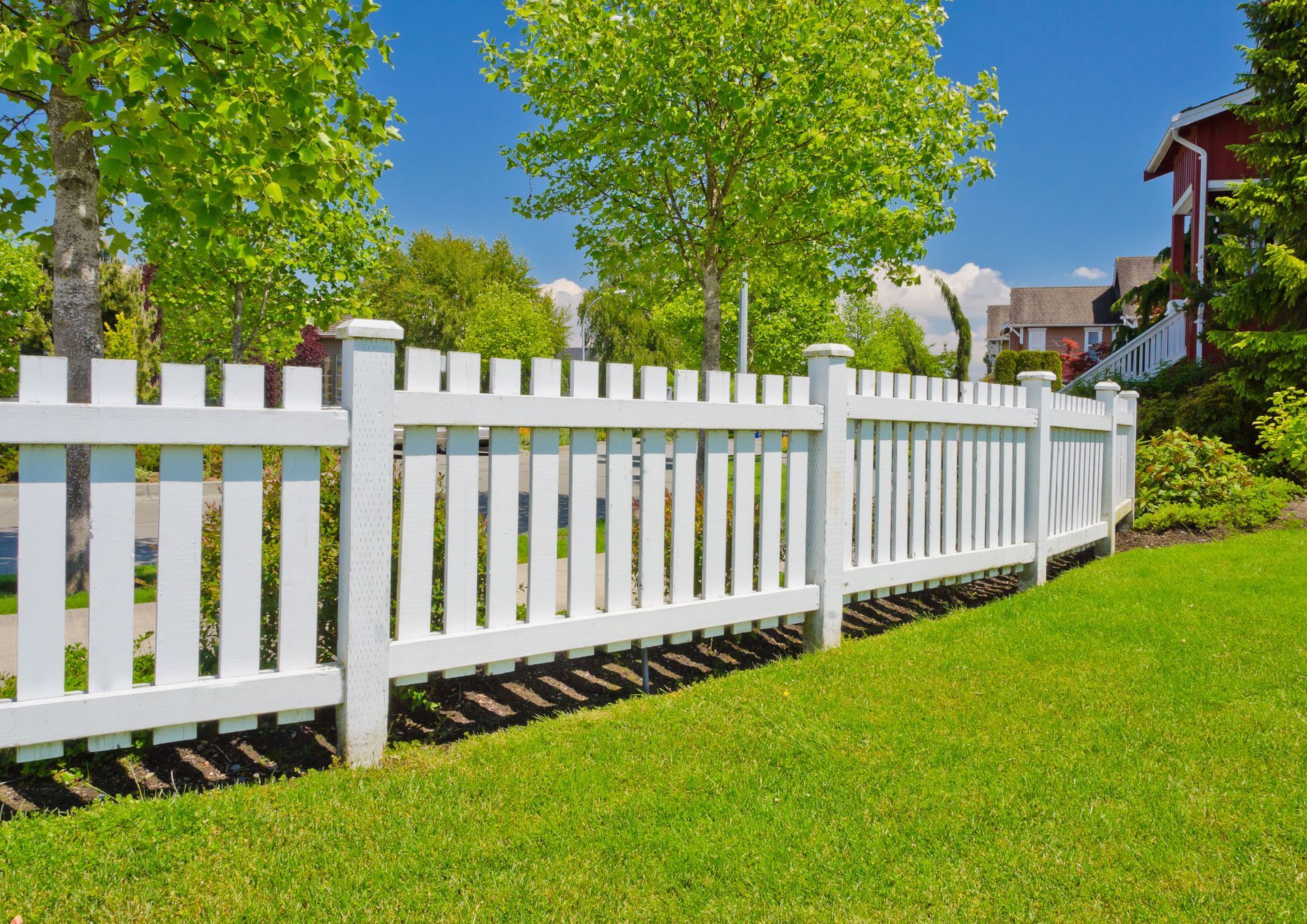
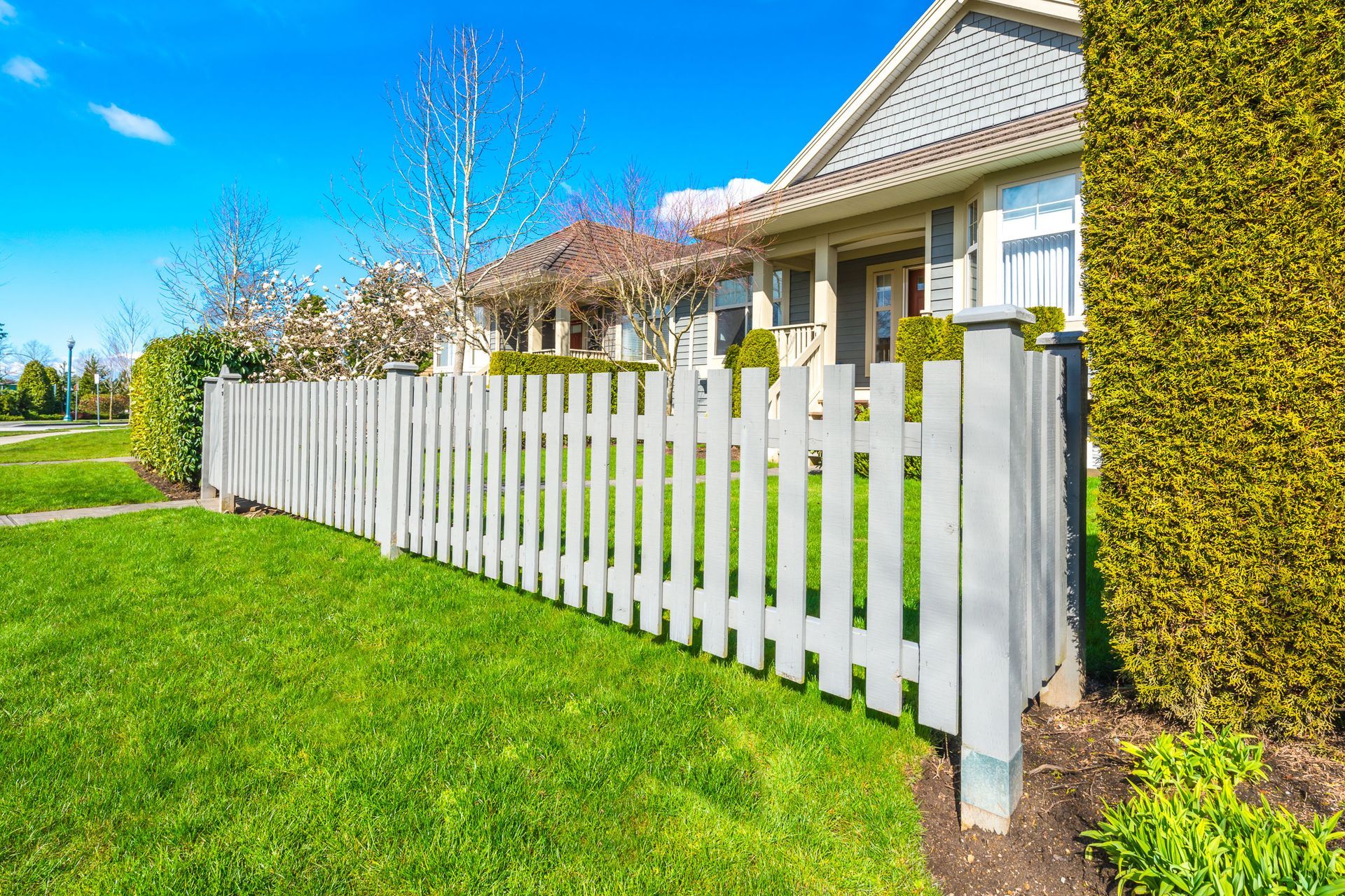
Natural timber remains a highly sought-after material option due to its organic warmth, versatile texture options, and classic visual appeal. Homeowners can select from diverse styles—including horizontal contemporary planks, traditional dog-ear configurations, and rustic split-rail designs—to complement their home's architecture.
However, raw wood lumber requires consistent physical preservation to stave off the destructive effects of constant soil moisture and ultraviolet exposure. Scheduling a routine application of high-grade water repellents and UV-resistant stains seals the cellular structure of the timber, shielding your panels from early rot, warp, and checking.
Utilizing Low-Maintenance Solid Vinyl Panels
For property owners seeking a long-term perimeter solution that removes the chore of annual painting or sealing, premium vinyl structures are excellent alternatives. Modern polyvinyl chloride (PVC) formulations are chemically engineered to withstand extreme temperature spikes and intense sunlight without fading, cracking, or becoming brittle.
Vinyl boundaries clean up easily with a simple garden hose rinse, making them highly practical for busy families. Enlisting local fencing contractors to set these heavy panels ensures that the internal steel post reinforcements are driven deeply into the ground, preventing wind-load failures during seasonal storms.
Deploying Practical Chain Link Networks
When your primary project objective centers on securing a wide, expansive acreage on a manageable budget, commercial-grade galvanized chain link provides great mechanical value. This open-weave framework offers clear, unobstructed visibility across your entire property line, allowing parents to monitor distal play zones easily from the house.
To maximize pet containment, installers can add thick bottom tension wires or concrete curbing along the base of the mesh. These simple mechanical updates stop larger dogs from lifting the wire fabric and prevent persistent diggers from tunneling out under the boundary line.
Engineering Enclosures for Child and Pet Safety
The gates and entry hardware of any family-centric enclosure represent critical security points that demand robust, specialized components. Standard sliding latches can easily be cleared by clever pets or young children, creating immediate safety risks along busy neighborhood streets.
Professional local fencing contractors recommend installing heavy-duty, self-closing hinge systems combined with magnetic, pool-rated locking latches that sit well out of a child's physical reach. Utilizing weather-resistant stainless steel or hardware components prevents mechanical binding, keeping your main access portals secure across every season.
Preventing Breaches by Clever Escape Artists
Persistent dogs use various behavioral tactics—including jumping, climbing, and intensive digging—to clear standard yard perimeters when left unattended. To stop agile climbers from leaping over the top rails, design crews can install angled lean-in extensions or rolling pet bars that remove the upper leverage points needed to clear the fence.
For pets that tunnel into loose perimeter soils, burying a continuous line of vinyl-coated mesh directly beneath the panel line establishes a permanent subterranean defense. This defensive framework keeps your pets safely contained within the yard.
Eradicating Entrapment and Sharp Edge Hazards
Designing an outdoor space for active children and pets requires checking your structures for sharp edges, protruding fasteners, and tight entrapment points. Poorly manufactured retail gates often feature sharp metal burrs or exposed screw tips that can puncture skin or snag clothing during active play.
Working with professional local fencing contractors ensures your installation utilizes completely smooth panel profiles, rounded board corners, and recessed fastening hardware. Removing these physical contact hazards allows your family to enjoy your outdoor living spaces safely.
Implementing Long-Term Preservation Strategies
Maintaining the physical safety and structural balance of your perimeter requires scheduling brief visual inspections a few times a year. Homeowners should check for loose post connections, look for signs of subterranean pest activity, and test gate swings to make sure the latches align perfectly.
Catching minor issues early—such as a shifting corner post or a missing hinge bolt—stops small mechanical problems from turning into expensive structural repairs down the road. This consistent oversight preserves your initial home improvement investment.
Selecting Experienced Installation Teams
While handling a property upgrade as a solo weekend project might look like a practical way to save on upfront labor costs, the physical realities of post setting require specialized machinery and deep technical knowledge.
Committing to a premium yard enclosure helps property owners upgrade their home's curb appeal, protect their children and pets, and preserve long-term real estate value. Partnering with a licensed local team ensures your high-performance vinyl panels, treated timber pickets, and automated gate locks are installed with absolute accuracy.
When your property requires experienced layout planning, detailed municipal permitting support, or precise post installations, choosing local fencing contractors with deep regional roots ensures outstanding long-term results. Contact Full Curl Fence to manage your upcoming infrastructure upgrades. Investing in timely property care stabilizes your perimeter boundaries and provides a reliable baseline that keeps your outdoor systems functional.